Empowering educators to foster inclusive classrooms
Continuous teacher training is key to advancing inclusive education. According to the National Institute for Educational Evaluation (INEE), teachers who update their skills and adopt innovative methodologies can more effectively respond to student diversity. Additionally, the Educational Innovation Observatory highlighted in its 2020 studies the importance of incorporating techniques such as theater-based pedagogy to foster inclusion in the classroom. These approaches enable teachers to offer more personalized instruction, benefiting students with specific needs. Challenges such as adapting methodologies, incorporating innovative pedagogical techniques, and using digital tools for personalized teaching are addressed by educators through workshops, seminars, and exchange programs where they share experiences and adopt new strategies. This ongoing professional development strengthens teachers’ capabilities and improves the quality of learning in inclusive settings. Plataforma HABITAT collaborates in this area by promoting training activities that reinforce pedagogical updating and facilitate the exchange of ideas, contributing to the creation of more inclusive and equitable classrooms.
Plataforma HABITAT participates in the European project SUCCSEEDS to support young migrant women through Community Gardens
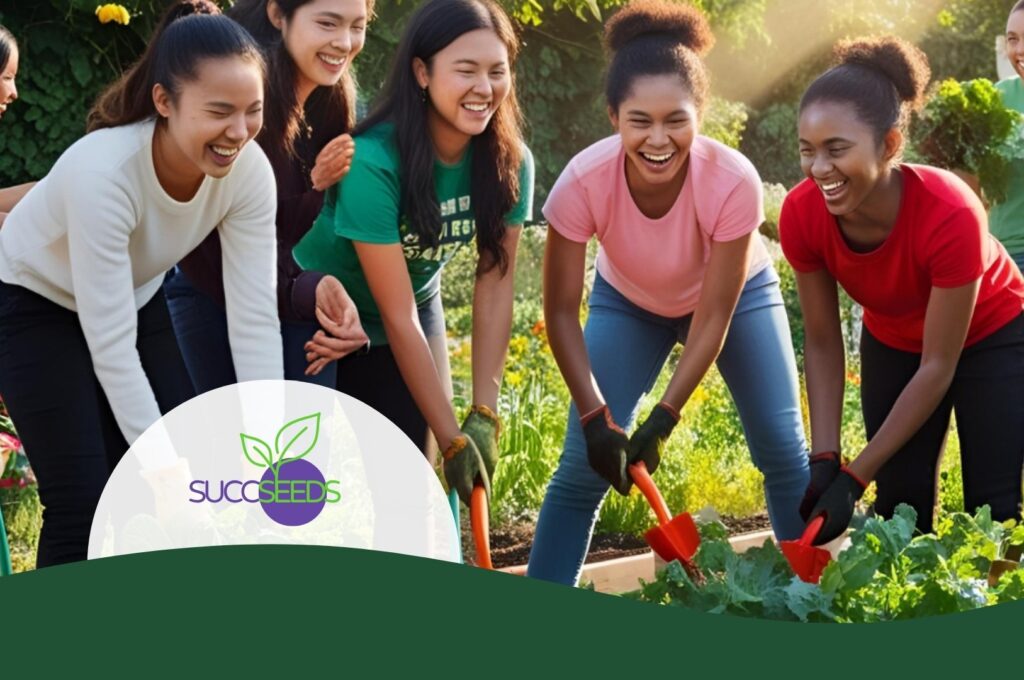
Plataforma HABITAT is part of the European project SUCCSEEDS, an initiative co-funded by the Erasmus+ program that seeks support the social inclusion of vulnerable young migrant women by fostering entrepreneurship and active citizenship through Community Gardens, promoting their environmental awareness and personal, social and learning-to-learn skills. What are the project’s objectives? The SUCCSEEDS project proposes a new approach to social entrepreneurship and active citizenship through: Setting up a formalised set of competencies required to support social inclusion and active citizenship by fostering entrepreneurship through Community Gardens based on EU standards and procedures. Provide youth workers and community educators with a freely accessible digital instructional tool to be upskilled in the project topic. Provide youth workers and community educators with a collection of in-depth exercises and techniques aimed to support young migrant women. Pilot and assess novel techniques to instruct youth workers and community educators in supporting social inclusion and active citizenship by fostering entrepreneurship through Community Gardens. Assure a wide impact, sustainability and mainstreaming of the project results during the project lifecycle and beyond. What results will the project generate? During its two-year duration, SUCCSEEDS will develop: Training Curriculum on social inclusion and active citizenship by fostering entrepreneurship through Community Gardens Digital Platform and online Learning Programme for youth workers and community educators Hands-on exercises to be used by youth workers and community educators when working with young migrant women Testing and evaluation trials in piloting countries Environmental awareness raising, beneficiaries´ increased motivation, and development of LifeComp and entrepreneurship Skills. At Plataforma HABITAT we believe that Community gardens can serve as valuable spaces for promoting the social inclusion of vulnerable young migrant women. Therefore, we are proud to participate in this project that opens new learning paths and opportunities for them, as well as for Youth workers and Community educators in Europe. Project title: SUCCSEEDS – Fostering active citizenship and entrepreneurship among young migrant women through Community Gardens Coordinator: Le Monde des Possibles (Belgium) Duration: 01/10/2024 – 30/09/2026 This project has been funded with support from the European Commission. This publication reflects the views only of the author, and the Commission cannot be held responsible for any use which may be made of the information contained therein. Project Number: 2024-1-BE04-KA220-YOU-000251697
Trends in environmental education in Spain

In recent years, environmental education in Spain has undergone significant changes. An increasing number of educational centers are adopting digital technologies and innovative pedagogical methods to tailor the teaching process to the needs of a diverse student body. For instance, interactive platforms and multimedia resources are being utilized to personalize learning and promote collaborative work in the classroom. This evolution not only enhances academic outcomes but also helps develop students’ social and emotional skills, preparing them for current environmental challenges. Moreover, the integration of environmental content into the curriculum has paved the way for new approaches in teacher training and educational management. Recent studies have indicated that these innovative methods create more dynamic and participatory learning environments. In this context, the work of institutions committed to inclusion and sustainability is fundamental. Organizations like Plataforma HABITAT promote the exchange of best practices and the dissemination of successful experiences, contributing to the consolidation of these trends in the national educational system.
The role of environmental education in the Green Transition
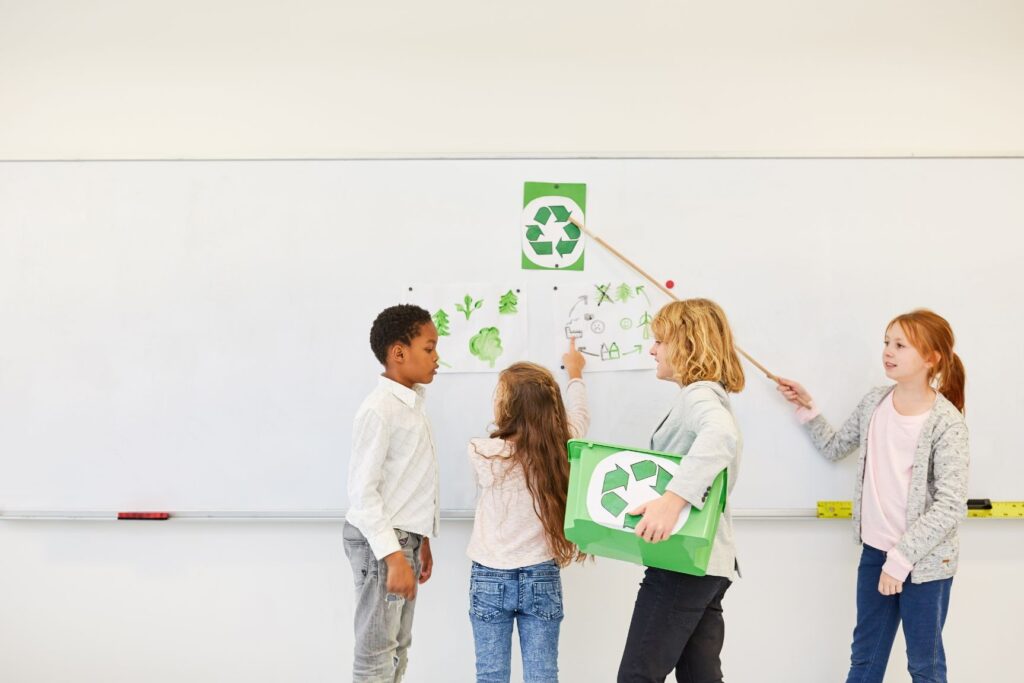
Environmental education is an essential component in the path toward the green transition. Environmental education is an essential component in the path toward the green transition. With climate change as an ongoing challenge, integrating content on sustainability and the environment is crucial at all educational levels, from early childhood to higher education. This approach not only cultivates more environmentally conscious citizens but also lays the foundation for long-term social and ecological transformation. Various national initiatives have demonstrated that environmental education facilitates the adoption of sustainable practices in both daily life and professional settings. Updating educational programs, along with teaching methods adapted to diversity, allows both students and teachers to actively engage in seeking solutions to mitigate environmental impact. In this regard, promoting education that drives the green transition has gained prominence in public debate and the implementation of environmental policies.

